Distribution Is Not Just Uploading a File
When a content team finishes an animated series, the first instinct is to upload it everywhere. YouTube, TikTok, a streaming app, a Telegram channel, a partner widget — the same master file gets pushed to every platform. A week later, the team checks analytics and sees that the show got views on one platform, flopped on another, and never launched at all on a third. The problem usually isn’t the content. The problem is that the same episode can’t perform equally in five different environments.
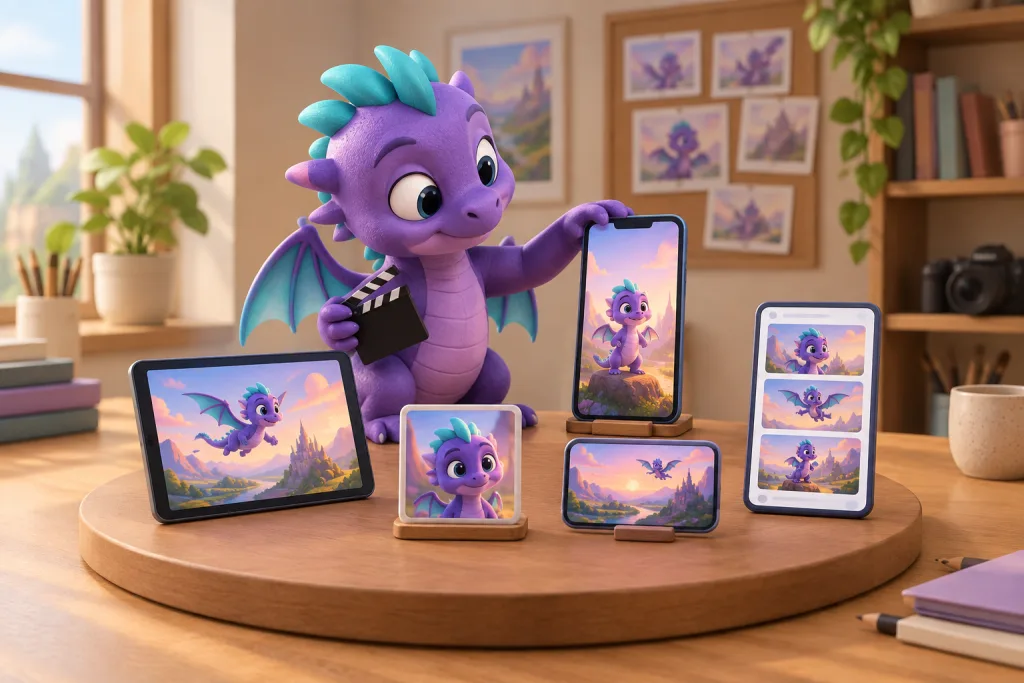
Distribution means adapting the format, length, entry point, and monetization model to each environment. A YouTube Shorts viewer wants a quick emotional hit. A streaming app viewer is ready to watch a full episode — and even pay for the next one. A Telegram channel audience comes out of habit, expecting a short update. A partner widget inside a mobile game is an entirely different context: the person wasn’t planning to watch a show, they were waiting for a level to load.
Why One Master File Doesn’t Work Everywhere
Every platform shapes viewer expectations before they even hit play. On YouTube Shorts, viewers expect vertical video under 60 seconds with a fast opening. On TikTok, they expect an even faster pace and trending audio. In a streaming app, they expect a horizontal format, an intro sequence, and a 5–10 minute episode. Telegram is a feed where video competes with text, images, and voice messages. A partner widget is an embedded player with no channel context or subscription attached.
When you upload an eight-minute horizontal episode to YouTube Shorts, the algorithm doesn’t surface it in the Shorts feed. When you drop a 30-second vertical clip into a streaming app, the viewer feels like they got a leftover scrap. The same content needs to be repackaged — not reshot, but repackaged.
Five Platforms, Five Versions
In practice, we prepare five versions of one episode. Not five different shows — five adaptations of the same story.
YouTube Shorts: Vertical, 45–60 Seconds, Cold Start
YouTube Shorts requires a vertical frame and a maximum length of 60 seconds. The key is the first two seconds. The viewer is scrolling, and you have a split second to grab their attention. We take the most striking moment of the episode — a character’s emotion, an unexpected reaction, a visual gag — and put it right at the top. The original episode might open with a setup scene, but in Shorts, the setup needs to be cut to the bone or removed entirely. A 60-second episode isn’t a trimmed-down version of an eight-minute episode; it’s a standalone piece that works as a teaser.
TikTok: Even Faster, With Trending Audio
TikTok is similar to YouTube Shorts in format, but the rhythm is different. Music and sound are often more important than the visuals. We adapt the audio track to align with the platform’s trending sounds — not replacing the original voice, but adding a layer that helps the algorithm pick up the video. Length: 15–45 seconds. On TikTok, series of short clips work well, with each one ending on a moment that makes the viewer want to see what’s next.
Streaming App: Full Episode, Horizontal, Monetization
In a streaming app, the viewer is ready to watch a complete episode. This is where we publish the horizontal version with intro, credits, and a full narrative structure. Length: 5–10 minutes. It’s the only platform where we can monetize directly: subscriptions, microtransactions, unlocking the next episode. Here, the episode needs to feel like a complete story, not a feed-friendly clip.
Telegram: Short Update, Habit
A Telegram channel is a habit-driven environment. The viewer isn’t looking for new content — they’re checking in for the next update from a channel they’ve subscribed to. We publish a 30–60 second vertical clip with a short text comment. Consistency matters here: a regular release schedule outperforms sporadic long-form posts. Telegram is also useful as a notification channel — announcing a new episode in the streaming app, sharing a teaser, bringing viewers back.
Partner Widget: Context Without Subscription
A partner widget inside a mobile game or app is the most underestimated distribution point. The viewer isn’t subscribed to your channel or searching for your show. They ended up in front of the player because they were waiting for something else. What works here is a 15–30 second clip — eye-catching, understandable without context, no sound needed. It’s not an ad for your show; it’s the content itself, packaged to work in someone else’s environment.
Adaptation, Not Reshooting
The biggest fear content teams have is: “We need to produce five versions, that’s five times the cost.” In practice, adaptation is significantly cheaper than production — if you build it into the process from the start.
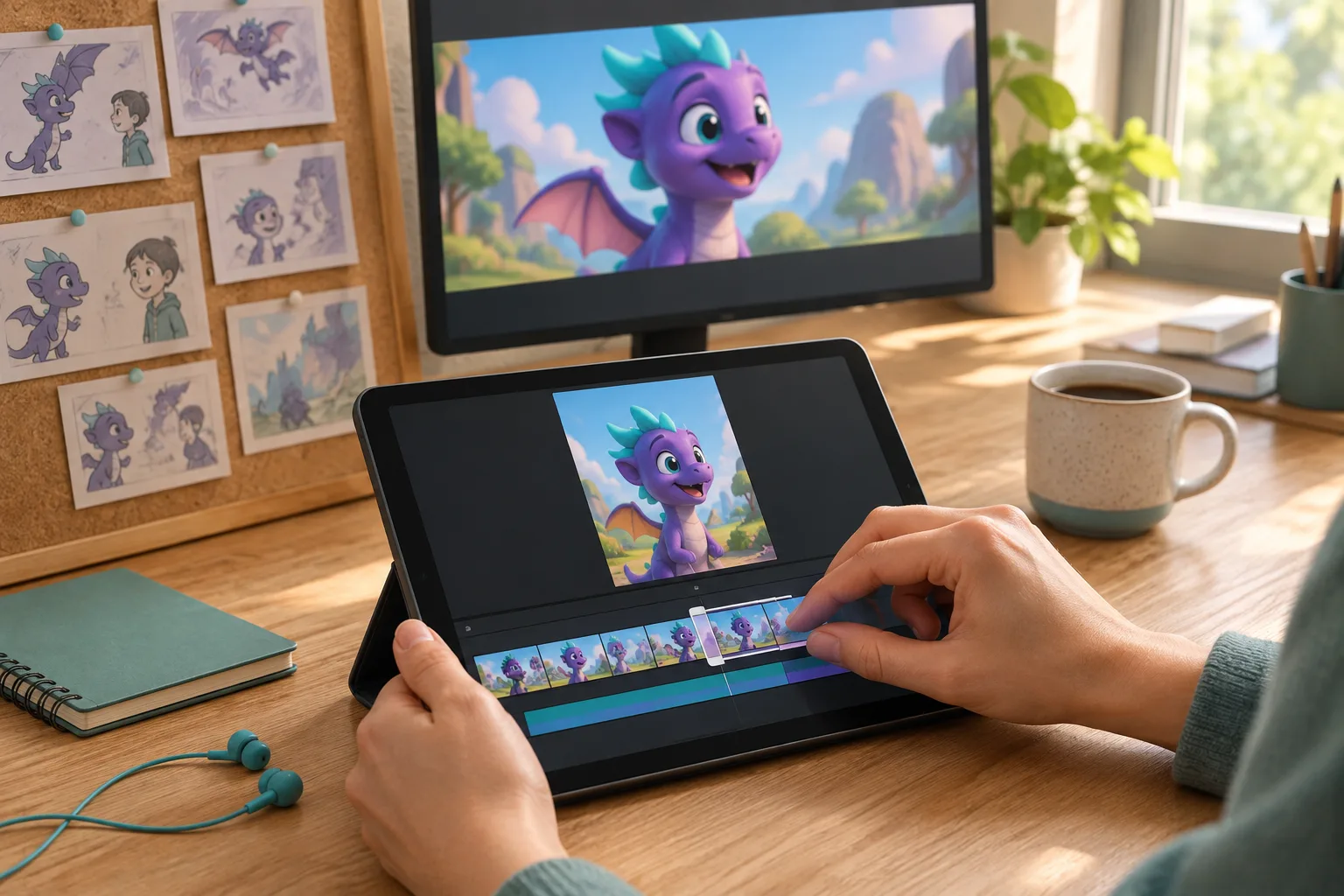
We create a master episode in horizontal format, but during storyboarding we plan for vertical frames right away. Key scenes are composed to work in both 16:9 and 9:16. This doesn’t mean every shot needs to be square — it means the important character actions land in the center of the frame and don’t get cropped out.
The audio track is recorded with multiple versions in mind. Original voice for the streaming version, a compressed no-pauses version for Shorts, an extra sound layer for TikTok. Dubbing into other languages is done once, then adapted to the length of each version.
Localization and Platforms
When a series enters the international market, each channel requires its own localization. On YouTube Shorts, subtitles need to be short and readable on a phone screen. In a streaming app — full dubbing. On Telegram — a text description in the audience’s language. In a partner widget — minimal text, maximally clear visual storytelling.
The Asia-Pacific region, according to industry data, accounts for about 32% of the global digital media market, and mobile consumption dominates there. In those markets, localization isn’t just translation — it’s adapting the format to mobile behavior. A viewer in Indonesia or the Philippines is more likely to watch vertical content on a phone than horizontal content on a TV. This changes not just the language, but the episode’s structure.
Monetization: Each Platform Has Its Own Model
Distribution without monetization is a hobby. Every platform generates revenue differently.
YouTube Shorts — ad revenue share. The per-view income is modest, but volume can be significant. Shorts work as the top of the funnel: a viewer sees a clip, gets intrigued, and moves to the streaming app.
TikTok — reach and brand integrations. Direct monetization is limited, but TikTok excels at driving awareness and traffic.
Streaming app — subscriptions, microtransactions, and ad inserts. Here, the viewer is willing to pay for the next episode or access to a full series.
Telegram — traffic and affiliate links. Direct monetization is weak, but the channel works as a free source for bringing viewers back.
Partner widget — payment per impression or per install. The partner pays because your content keeps users in their app.
How Not to Lose Viewers Between Platforms
The hardest part is connecting five platforms into one system. A viewer sees a clip on YouTube Shorts, wants to watch more, but doesn’t know where to find the full episode. The team publishes Shorts but doesn’t link to the streaming app. Or they link, but it goes to the homepage instead of the specific episode.
The solution is a single entry point. Every Shorts version ends with a prompt pointing to the full episode. The Telegram channel posts a teaser and a link. The partner widget leads to a landing page where the viewer can choose a platform. It sounds obvious, but in practice we regularly see the disconnect: content is on five platforms, but the path between them isn’t built.
Common Distribution Mistakes
The first mistake — uploading one file everywhere. We’ve covered that. The second — not adapting the length. An eight-minute episode doesn’t work in Shorts, and a 30-second clip doesn’t work in streaming. The third — ignoring audio. On TikTok, sound drives half the success, but teams publish with the original track that doesn’t match any trend. The fourth — not linking platforms. The viewer is ready to switch, but can’t find the continuation.
The fifth mistake — choosing platforms out of habit, not data. A team publishes on YouTube because “everyone does it,” even though their audience lives on Telegram. Or they launch a streaming app when AVOD works better in their market. Choosing a platform is a distribution decision, and it should be based on your specific audience’s behavior — not a template.
Multi-Platform Episode Distribution Checklist
- Set target length for each platform before production starts, not after editing.
- Verify that key scenes work in both vertical and horizontal frames.
- Prepare a separate audio track for Shorts and TikTok — shorter, no pauses, with a trending sound layer.
- Add subtitles in every language for Shorts and TikTok — most viewers watch without sound.
- Set up a clear path from each platform to the streaming app or landing page.
- Check that every version ends with a transition point, not a dead end.
- Compare revenue and views across platforms after two weeks and reallocate effort.
What to Measure on Each Platform
On YouTube Shorts, the key metric is retention in the first three seconds and completion rate. If viewers leave at second two, the cold start is the problem. On TikTok — completion rate and shares. Shares mean the content is clear enough to pass along. In a streaming app — conversion to the next episode and the share of viewers who pay to unlock. On Telegram — clicks on the link to the streaming app. In a partner widget — watch time and click-through to the partner app.
Every metric tells a different story. High reach on TikTok with no streaming conversions is awareness without a funnel. High streaming conversion with no Shorts reach is a loyal audience with no growth. Distribution works when the metrics connect: Shorts drive reach, Telegram brings viewers back, streaming monetizes.
When Five Platforms Is Too Many
Not every show needs five channels. If you have a short series of six episodes, launching all five platforms may not be justified. Two might be enough: Shorts for reach and streaming for monetization. If you produce educational content, Telegram might outperform TikTok. If your audience is children, partner widgets in kids’ apps could deliver more than YouTube.
The decision on how many platforms to use is a resource decision. Each platform requires adaptation, publishing, analytics, and ongoing support. It’s better to do two platforms well than five poorly.
FAQ
Do I need to shoot different episode versions for each platform?
No. You produce one master episode, but during storyboarding and editing you build in room for vertical cropping, a compressed version, and different audio tracks. It’s an editing adaptation, not a reshoot.
Which platform generates the most revenue?
It depends on the market and format. Streaming apps with microtransactions deliver the highest revenue per viewer, but require a loyal audience. YouTube Shorts earn less per viewer but offer scale. A combination usually outperforms any single platform.
How do I connect Shorts to the streaming app?
At the end of every Shorts clip, add a prompt pointing to the full episode. In the description — a direct link to the episode in the streaming app, not the homepage. Post a teaser and link in the Telegram channel at the same time the Shorts go live.
Should I localize all five versions at once?
Start with two markets. Localize the streaming version with full dubbing and the Shorts version with subtitles. If metrics show demand, add the other platforms. Fully localizing five versions into five languages means 25 adaptations — that may not be justified at launch.
What if one platform gets views but another doesn’t?
Check three things: format (vertical vs. horizontal), length, and entry point. The issue is often that the version wasn’t adapted to the platform’s environment. If the format is right but views still aren’t coming — that platform may simply not fit your audience.