When an animated series is ready for release, the team faces a choice: hand it over to one platform on an exclusive basis or distribute it across multiple channels. This isn’t just a commercial decision — it determines how the series will be discovered, how it will earn, and how long it will live on the market.
An exclusive deal is attractive because of the guaranteed advance and clear promotion. The platform invests in the project because it helps retain subscribers. But exclusivity limits reach and ties revenue to a single source. A multi-platform strategy is harder to manage, yet it gives access to different audiences and different monetization models — from subscriptions to ads and pay-per-episode.
Over the past few years we’ve worked with both approaches and learned one thing: the right choice depends on genre, audience, project stage, and which platforms actually work in each region. Sometimes the best answer isn’t to pick one — it’s to build release windows.
When an Exclusive Deal Makes Sense
Exclusivity makes sense in several cases. The first is when a platform is willing to pay a minimum guarantee that covers the bulk of the production budget. This reduces financial risk and lets the team focus on the next project rather than patching up the current one.
The second is a high-concept series that fits neatly into a platform’s programming strategy. If a platform positions itself as a destination for family content, an animated project with the right tone will get more prominent placement than on a general-purpose service where it gets lost among thousands of other titles.
The third is seasonal exclusivity. A platform may pay for the right to premiere during a period when competition for viewer attention is lower. Once the window ends, the series rolls out to other platforms — and the exclusive becomes a springboard rather than a restriction.
But exclusivity works against you if the platform isn’t active in the region where your audience is concentrated, or if its monetization model doesn’t suit your format. A short series of twelve three-minute episodes on a full-price subscription platform isn’t the best combination when viewers are used to consuming that kind of content for free or with coins.

Why Multi-Platform Usually Works Better
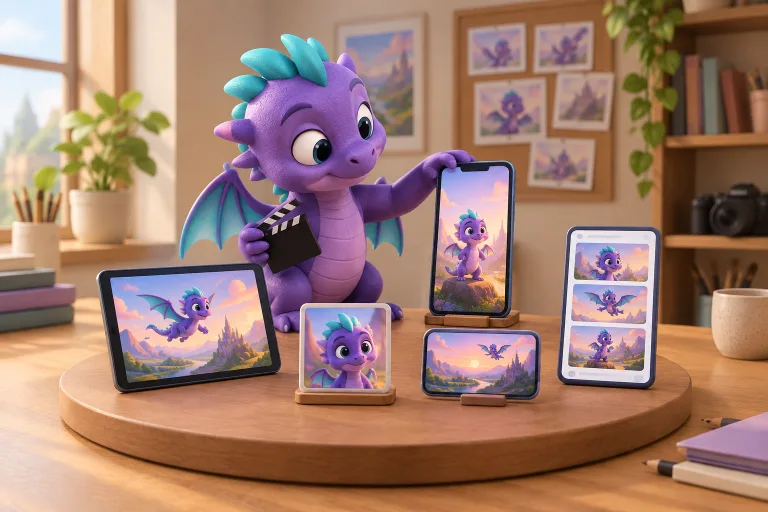
A multi-platform strategy appeals because the series finds viewers where they already are. Younger audiences consume short episodes in feed-based apps. Family audiences watch on CTV platforms in the evening. Fans of niche genres gather in themed communities and channels. A single platform rarely covers all these segments.
Distributing across multiple channels reduces dependence on any one platform’s algorithm. If impressions drop due to a feed change, the series keeps earning on other platforms. This is especially important for projects with a long life cycle — series that build an audience not in the first week, but two or three months after release.
Multi-platform also lets you test monetization models. On one platform the series might run on subscription, on another it’s ad-supported, on a third it’s sold per episode. We’ve seen projects where ads brought in more revenue in the first month, and microtransactions kicked in starting month three — once viewers had formed an attachment to the characters.
Release Windows: How They Create Value
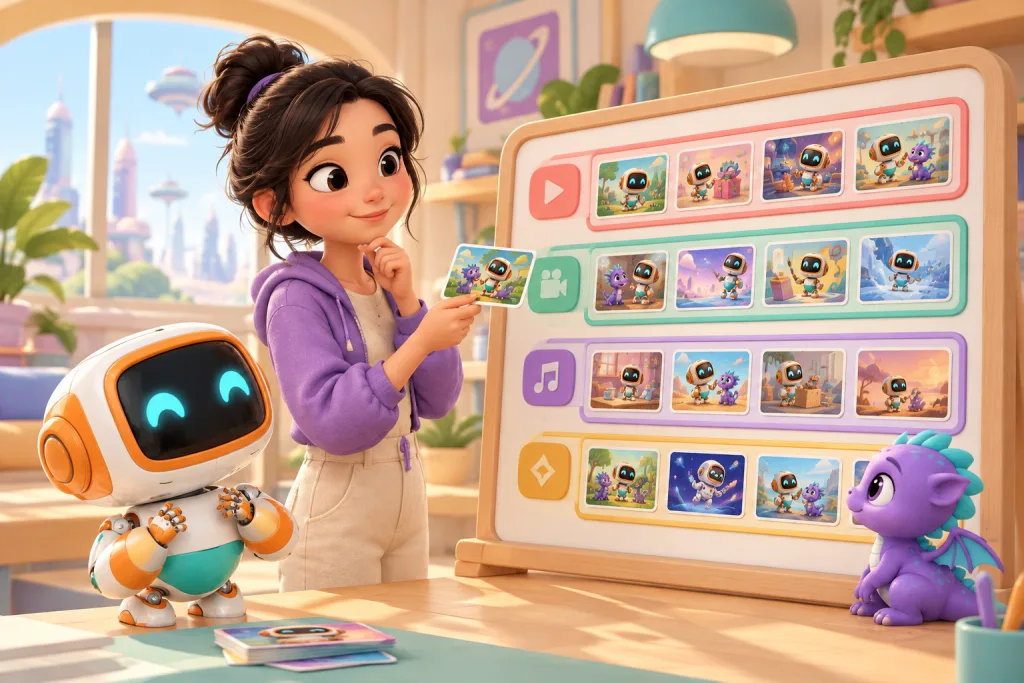
Release windows are the sequence in which a series appears on different platforms. Instead of publishing everything at once, the team releases episodes in stages, creating multiple waves of interest.
The first window is the platform that pays for the right to be first. This could be a subscription service or a specialized app. Viewers willing to pay for early access watch the series first and generate the first reviews.
The second window is ad-supported or hybrid platforms. The series reaches a broader audience that isn’t ready to pay for a subscription but is fine watching ads. Revenue per view is lower here, but view volume can make up the difference.
The third window is free channels and social networks. Individual episodes or clips spread as promos and bring new viewers back to the paid platforms.
According to Señal News, the vertical content market reached $11 billion in 2025, with $9.2 billion concentrated in China. In this market, ads, subscriptions, pay-per-episode, and rewarded ads coexist, and hybrid models have become the norm. Distributors use license fees, minimum guarantees, and revenue-share schemes tied to both ad and consumer revenue. Release windows turn one series into multiple revenue streams.
Different Monetization Models on Different Platforms
Each monetization model demands its own approach to content. A subscription platform cares about retention — the series has to make the viewer come back for the next episode. An ad-supported platform values total watch time — the longer the viewer watches, the more ad impressions the platform sells. A microtransaction platform earns on emotional attachment — the viewer buys the next episode because they want to know what happens next.
For an animated series, this means different requirements for episode structure. On a subscription platform, a cliffhanger at the end motivates return. On an ad-supported one, episode length and pacing affect how many ad breaks can be inserted without losing the viewer. On a microtransaction platform, the balance between what’s free and what’s paid determines conversion.
We’ve seen the same series on three platforms with different models deliver three different results. On subscription it retained but didn’t grow. On ad-supported it gained views but with low revenue per impression. On pay-per-episode it started slowly, but after two months it out-earned the rest. Multi-platform doesn’t mean equal performance everywhere — it means access to different economies.
How to Test a Series Before Scaling
Before building release windows, test the series on one platform. This helps you understand how the audience reacts to format, pacing, characters, and cliffhangers. A test runs two to four weeks and includes tracking completion rate, per-episode retention, and feedback.
If completion rate drops after the third episode, the problem is structure, not distribution. If retention is good but impressions are low, the problem is promotion or visibility on the platform. The test gives you data to make a decision: launch multi-platform, rework the series, or go exclusive.
What to Measure After Launch
After launch, track several metrics. Per-episode completion rate shows where viewers lose interest. Cross-episode retention shows how well the series drives return visits. Conversion to paid viewing shows which platform viewers are willing to pay on. Revenue per thousand impressions shows which monetization model is more efficient. Reach by region shows where the series finds an audience and where it’s wasted.
This data informs decisions about a second season, localization into new markets, and budget reallocation across platforms. Without it, a multi-platform strategy turns into scattering content across channels with no feedback loop.
Common Distribution Planning Mistakes
The first mistake is choosing a platform by size rather than audience fit. A large platform with millions of users doesn’t guarantee impressions if the algorithm doesn’t push your genre or the platform operates in a region where your audience isn’t active.
The second is ignoring regional specifics. A platform that dominates one market may be barely visible in another. Distribution should account for where your audience lives, not what’s convenient for the distributor.
The third is releasing all episodes simultaneously across all platforms. This kills release windows and doesn’t let any single wave of interest build momentum. Sequencing is a tool, not a limitation.
The fourth is not testing monetization models. The team picks one model because it’s familiar and never tries alternatives that could earn more with a specific audience.
Practical Checklist
Checklist: Planning Distribution for an Animated Series
- Define your target audience and map it to the platforms where that audience actually consumes content.
- Assess whether the exclusive’s minimum guarantee covers a significant share of the budget — if not, consider multi-platform.
- Design release windows: which goes first, second, third — and which monetization models work for each.
- Test the series on one platform for two to four weeks before a multi-platform launch.
- Set up tracking for completion rate, retention, conversion, and revenue per platform separately.
- Plan a second promo wave — clips, individual episodes, and trailers — for free channels.
FAQ
When should you choose an exclusive deal?
Exclusivity is justified when the minimum guarantee covers a significant share of the budget, the genre matches the platform’s strategy, or the platform is active in the region where your audience is concentrated. If even one of these conditions isn’t met, multi-platform will likely earn more.
How many platforms should you use at the same time?
It depends on the team’s resources. For a small project, two to three platforms with different monetization models is enough. More makes sense if you have an analytics team that can track results for each platform separately.
Which monetization models work for short animated series?
Subscription, ads, pay-per-episode, rewarded ads, and hybrid schemes. The choice depends on format: very short episodes tend to work better with ads or microtransactions; longer ones — with subscriptions.
How do you know a series is ready for multi-platform release?
A single-platform test shows completion rate and retention. If viewers reach the end of episodes and come back for the next ones, the series is ready. If retention is low, it’s better to rework the structure than to spread non-working content across multiple channels.