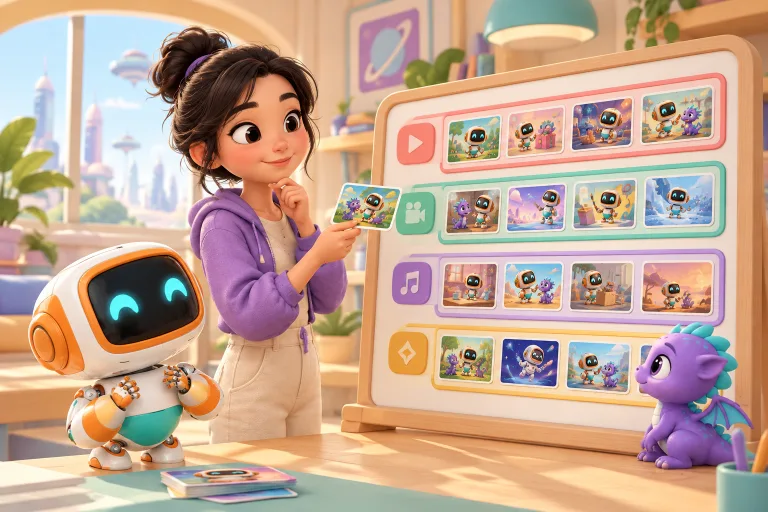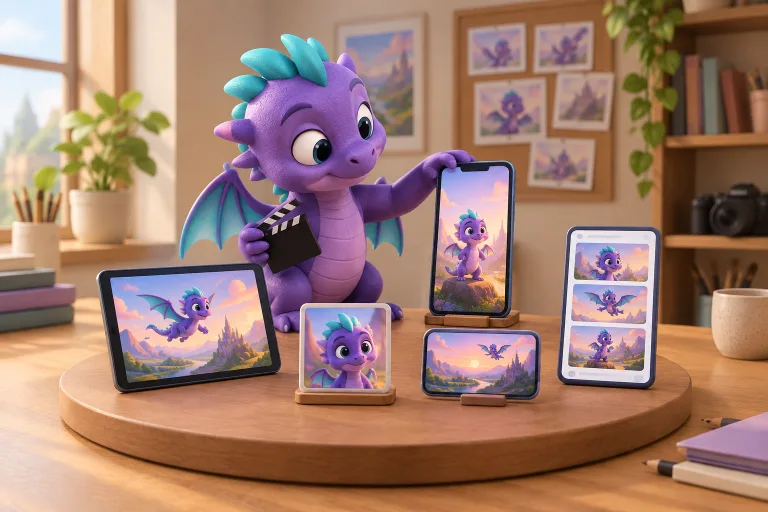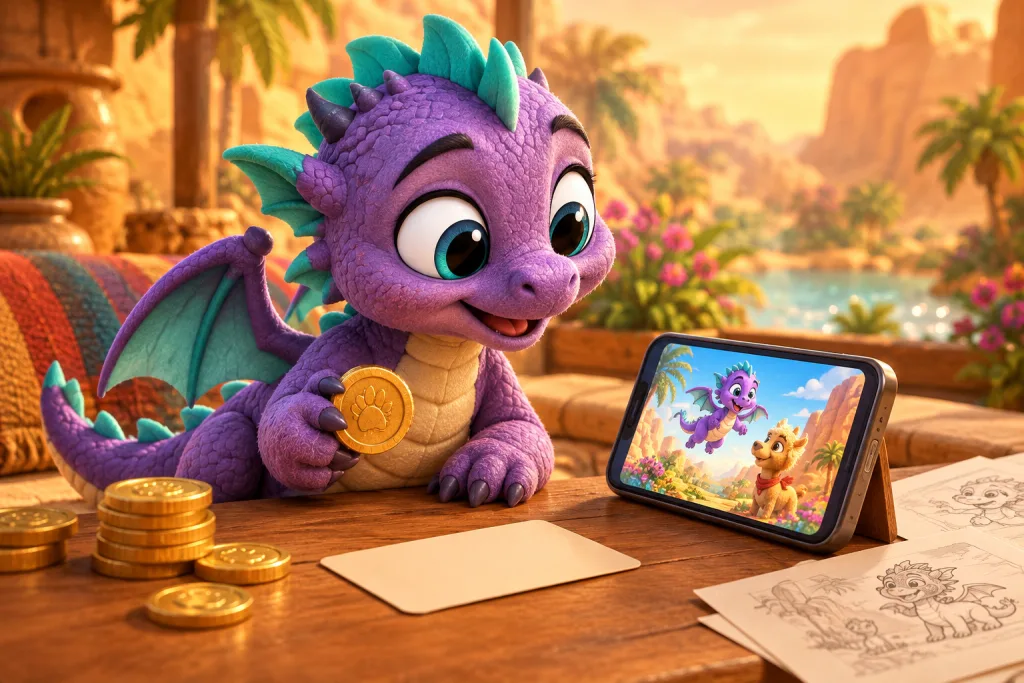
A short animated series can be monetized in three main ways: subscriptions, ads, or microtransactions. In emerging markets, the right choice usually depends less on format and more on where audiences already pay and how much attention they’ll give a single episode. Over the past two years, we’ve launched short animation across Southeast Asia, Latin America, and the Middle East — and each time, the winning model was shaped by local payment habits, not by the quality of the episodes themselves.
In short: subscriptions work where streaming is already a habit and auto-renewal cards are common; ads and FAST channels work where mobile traffic is massive and willingness to pay for individual content is low; microtransactions work where audiences already buy virtual items in games and read manhwa chapter by chapter. Most monetization mistakes in short animation happen when teams copy an American SVOD playbook instead of looking at how local mobile users actually behave.
Why Monetization Is an Audience Decision, Not a Platform Decision
Distribution and monetization are two separate decisions that often get confused. Distribution answers: “Where will the viewer see the episode?” Monetization answers: “How does that view turn into money?” The platform sets the frame, but it doesn’t determine the outcome. The same series can launch on YouTube with ads, on a local mobile app with a subscription, and in a Telegram channel that funnels traffic to a paid mini-service. Results differ not because platforms are good or bad, but because payment readiness varies across them.
In emerging markets, the key question isn’t “How many subscribers will we get?” — it’s “What share of the audience already knows how to pay from their phone?” In countries with high prepaid mobile payment adoption, like Indonesia and the Philippines, auto-renewing subscriptions perform noticeably worse than one-time purchases. In regions with mature mobile wallets, like Kenya or parts of the Gulf states, subscriptions can work — but often on a weekly rather than monthly cycle. These habits rarely show up in global reports, yet they’re what determine whether a second-season localization pays off.
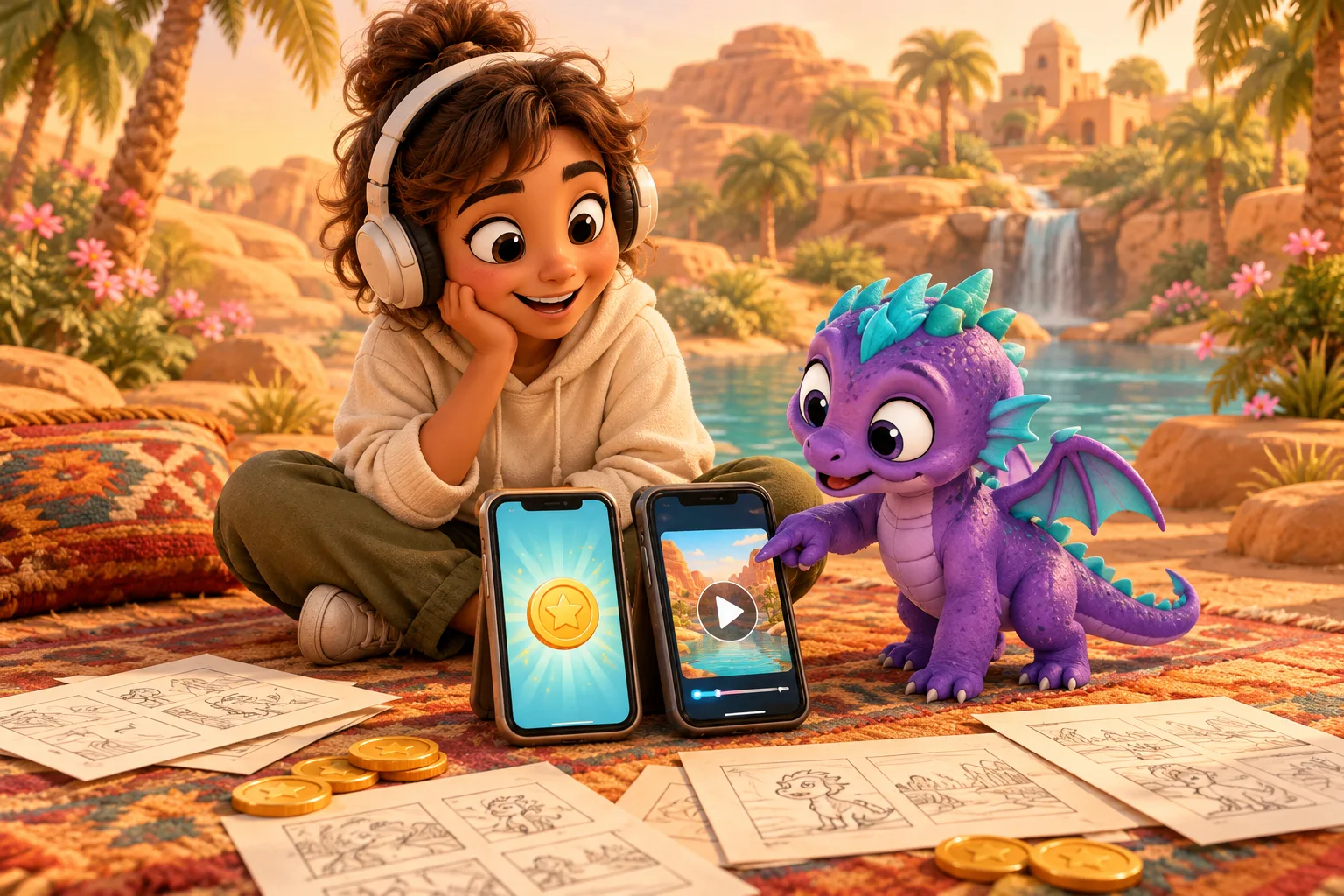
Subscriptions: Where They Work for Short Animation
Subscriptions make sense when viewers come for serialized content and are willing to pay for “the next episode today” rather than an archive. For short animation, this is harder than for long-form shows: an episode lasts one to three minutes, and the value of a subscription isn’t obvious to the viewer. A subscription pays off when you have a dense release schedule — at least three to five episodes per week — and a clear story arc that people want to see through.
In emerging markets, subscriptions work best in three scenarios. First: you launch on a platform where viewers already pay for other mobile entertainment — music, manhwa, sports. Second: you offer a trial tied to a local mobile wallet rather than an international card. Third: the price is comparable to a cup of coffee or a mobile data pack, not to a Western subscription. If at least two of these conditions aren’t met, a subscription usually becomes a long road to modest revenue and high churn.
The real risk of a subscription model in new markets isn’t low conversion — it’s instability. A viewer subscribes for one episode, cancels after watching, and returns only for the next hype cycle. Without retention and a predictable release rhythm, LTV stays low while acquisition costs stay high.
Ad Monetization and FAST: Real Constraints
Ads are the most straightforward model for short animation because viewers already expect to watch short videos for free. FAST channels and AVOD give access to large audiences without a payment barrier, which matters especially in countries with low card penetration. On mobile markets, ad spending is growing faster than in developed regions, and short video formats capture most of that demand.
But ads have hard limits. Ad CPMs in emerging markets are often lower than in the US or Western Europe, so production needs high view volumes to break even. Short animation can deliver that volume if the series is viral and episodes fit naturally into feeds. But if episodes are long by mobile standards — over four to five minutes — or require focused viewing, the ad model struggles: viewers don’t reach the ad break, and revenue per impression drops.
FAST channels are useful as part of distribution, not as the only model. They provide a stable catalog slot and a steady stream of impressions, but they don’t cover the full cost of quality animation. In practice, we use FAST and AVOD as the top of the funnel: they bring in audiences and earn baseline revenue, while monetization is strengthened through microtransactions or subscriptions further down the line.
Hybrid Models and Microtransactions
Microtransactions are the model most often underestimated and most often misapplied. The idea is simple: the viewer doesn’t pay for the whole series — they pay for a specific action: early access to an episode, unlocking a bonus scene, an alternate ending, a character sticker pack, or voting rights for the next plot twist. In markets where audiences already buy items in mobile games and pay for manhwa chapters, this is a familiar payment logic.
A hybrid works when you have both a free top of the funnel and a paid depth. Free: first episodes, ads, social media teasers. Paid: early access, exclusive episodes, fan content. This reduces pressure on any single model and gives viewers a choice: watch with ads, pay for speed, or pay for extra content. For short animation, this approach is often more profitable than pure subscription because the average payment is smaller but conversion is higher.
The golden rule of microtransactions: paid content must deliver real value, not artificial restrictions. If a viewer feels that everything is available for free except one scene, it reads as a trick. But if paying gets them early access to an episode they’re genuinely waiting for, or a bonus story with a favorite character, it works. Webtoon, for example, is developing short animation as the next step after digital comics, where the core model is chapter-by-chapter content unlocking rather than catalog-wide subscription.
Emerging Markets: What to Know About Payment Habits
Emerging markets aren’t homogeneous, and generalizing is risky. But several patterns repeat. First: mobile payment matters more than cards. Where mobile wallets work, conversion to paid content is higher than where an international card is required. Second: short payment cycles outperform long ones. A weekly subscription often yields better ROI than a monthly one because viewers aren’t afraid to cancel. Third: pricing should match familiar mobile spending — a data pack, a sticker pack, an inexpensive manhwa chapter.
Fourth: ads and paid content often coexist within the same audience. A viewer might watch free episodes with ads and still buy early access to new episodes. This isn’t a contradiction — it’s a normal model in markets where payment readiness is fragmented. Teams that try to split audiences into “paying” and “non-paying” lose the people who’d pay for a specific episode but not for a subscription.
Fifth: payment localization is just as important as content localization. If the payment button doesn’t work with local methods, even great animation won’t convert. Before launch, we check not only dubbing and subtitles but also local payment method availability, tax models, and refund policies — otherwise monetization breaks at the last step.
How to Choose a Model by Content Type and Market
The choice starts not with the platform but with three questions. Who is the viewer and how do they already pay for mobile content? What release rhythm can we sustain? What value can we sell — speed, exclusivity, depth?
If the viewer is used to subscriptions and you have a dense schedule, a subscription makes sense. If the viewer comes from short video and doesn’t pay for content, ads and FAST are the starting model. If the viewer already buys chapters and items, microtransactions offer the most flexible monetization. In practice, we most often choose a hybrid: ads at the top, microtransactions in the middle, subscriptions for the most engaged.
What to Measure in the First Six Weeks
At launch, what matters isn’t final revenue — it’s signals. First: completion rates for early episodes with and without ads. Second: conversion from free viewing to the first payment. Third: repeat payments within two weeks. Fourth: acquisition cost by channel and market. Fifth: payment cycle cancellation rate. These signals tell you which model to scale and which to replace or shut down.
Checklist: How to Choose a Monetization Model for Short Animation
- Check which local payment methods work for your target audience — not just international cards.
- Compare weekly vs. monthly subscription conversion on a test market before scaling.
- Calculate how many views you need to break even on production with an ad-based model in that market.
- Identify what value you can sell through microtransactions: early access, bonus scenes, alternate endings.
- Plan a hybrid top to bottom: ads at the top, microtransactions in the middle, subscriptions for the engaged.
- Set up tracking for repeat payments and payment cycle cancellations from day one.
- Verify that payment localization and the purchase interface don’t break at the final step.
FAQ
Can you launch short animation with a subscription right away in a new market?
Yes, if the market is already accustomed to mobile subscriptions and you have a dense release schedule. Without those conditions, it’s better to start with ads and add a subscription once payment readiness is clear.
When do microtransactions outperform subscriptions?
When viewers are willing to pay for specific value — early access, a bonus scene, an alternate ending — but aren’t ready to set up auto-renewal. This is typical for markets with fragmented payment readiness and a habit of short, one-off purchases.
How many views does it take for ads to cover production costs?
It depends on the market’s CPM and the cost per episode. CPMs in emerging markets are usually lower, so you need more volume. Don’t use average CPM — use the real rate for your channel and format on your target market.
Should FAST channels be used as the only model?
No. FAST is useful for distribution and baseline revenue, but quality animation usually needs a hybrid: FAST at the top, microtransactions or subscriptions for depth and retention.
What most often breaks monetization in emerging markets?
Not animation quality — payment localization: missing local payment methods, inconvenient subscription cycles, pricing above familiar mobile spending, and untested refund flows.