What is ad creative fatigue and why it’s dangerous
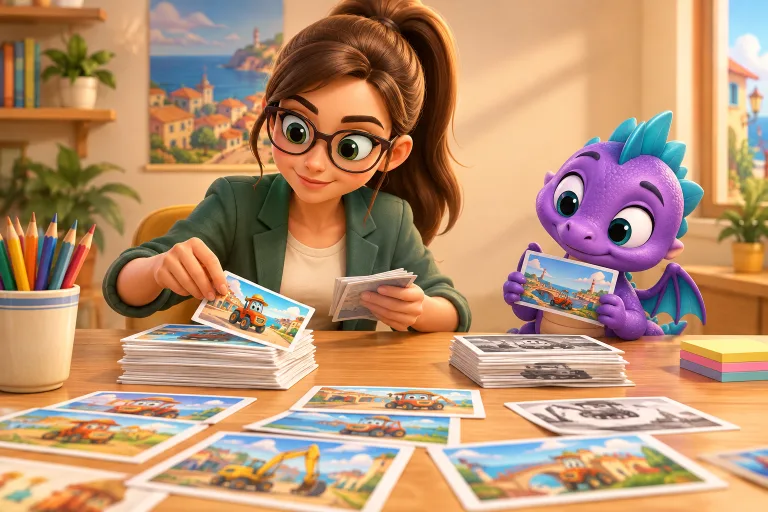
Creative fatigue is the gradual decline in an ad’s effectiveness when shown to the same audience for an extended period. The problem isn’t that the creative is “bad,” but that the audience has already seen it. When the same video loops in a feed for weeks, the user’s brain automatically filters it out as familiar content. Clicks drop, the cost per install rises, and the team starts to panic.
The danger is that by the time CTR drops by 30–40%, you’ve already lost a significant portion of your budget. Experienced performance marketing teams learn to spot fatigue earlier—through signals that precede clicks by several days.

Why CTR is a lagging indicator
Most marketers monitor CTR as the primary indicator of creative health. This is a mistake. CTR reflects an event that has already happened—the user either clicked or didn’t. But the decision to skip an ad is made in seconds, and its first traces appear in other metrics.
Platforms like Meta, TikTok, and Google Ads collect data on how users interact with a creative before clicking: how many seconds they watch, whether they pause, whether they expand the video to full screen, or whether they swipe past. These micro-signals are early harbingers of fatigue.
Early metrics that precede a CTR drop
Video watch time
If the average video watch time drops by 15–20% with a stable number of impressions, this is the first signal. Viewers recognize the video from the first frames and turn it off earlier. In practice, we’ve seen campaigns where watch time dropped 2–3 days before CTR noticeably began to sag.
Impression frequency
Frequency is the average number of times a creative is shown to a single user. When frequency exceeds 3–4 for narrow audiences or 5–6 for broad ones, the likelihood of fatigue increases sharply. But frequency alone isn’t a verdict—everything depends on the creative’s quality and the audience size.
Swipe-away rate
On platforms with vertical content (TikTok, Reels, Shorts), the swipe-away rate is one of the fastest indicators. If more and more users swipe in the first three seconds, the creative is losing its appeal. This metric reacts faster than CTR because it reflects an instantaneous decision.
Cost per thousand impressions (CPM)
A rising CPM with a stable bid is a sign that the algorithm considers the creative less relevant. Platforms optimize impressions based on engagement, and if a creative is stale, the system raises the price.
How often should you update creatives?
There is no universal answer, but there are guidelines. For mobile entertainment and animated content, a creative’s typical lifecycle is 7 to 21 days. Short dramatic formats in vertical feeds fatigue faster—sometimes in 4–5 days. Informational and educational creatives can live longer—up to a month.
It’s important to distinguish between updating a creative and completely replacing it. Sometimes it’s enough to change the first three seconds, add a new hook, or shift the emphasis in the voiceover. A complete replacement is needed when all metrics drop simultaneously.
The difference between creative fatigue and audience saturation
These are two different phenomena that are often confused. Creative fatigue is when the audience is tired of a specific video. Audience saturation is when you’ve exhausted the available pool of users on a platform. For saturation, expanding targeting or moving to a new platform helps. For fatigue, replacing the creative helps.
How to tell the difference? If a new creative performs well on the same audience, it was fatigue. If the new creative also performs poorly, it’s likely saturation. You can check by running a fresh creative on an expanded audience: if metrics improve, the problem was reach.
A practical methodology for replacing creatives
Keep a queue of ready materials
The worst time to create a new creative is when the old one is already dead. Teams that work with high impression volumes maintain a pipeline: 5–10 variations in preparation, 2–3 active, 2–3 for replacement. This allows them to react to fatigue in hours, not weeks.
Test variations, not entirely new concepts
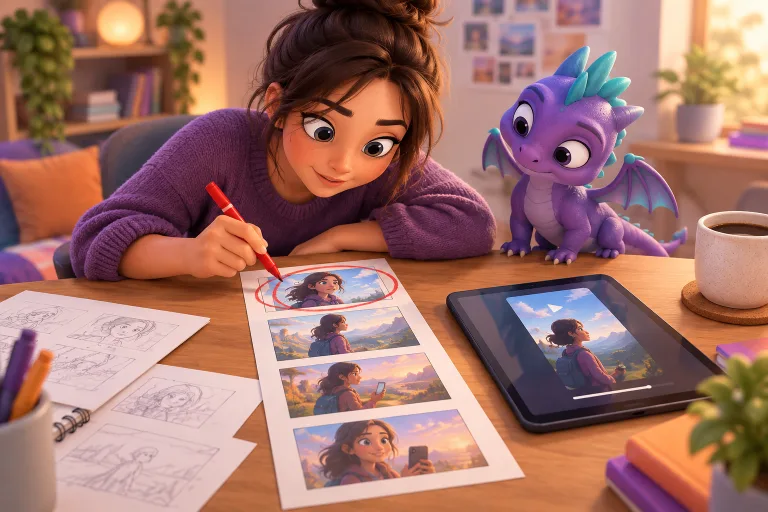
When a creative fatigues, you don’t necessarily need to invent everything from scratch. Often, a variation helps: different editing of the first seconds, a different character on screen, a different voiceover, or a different background. It’s faster to produce and allows you to keep what worked.
Track the performance curve
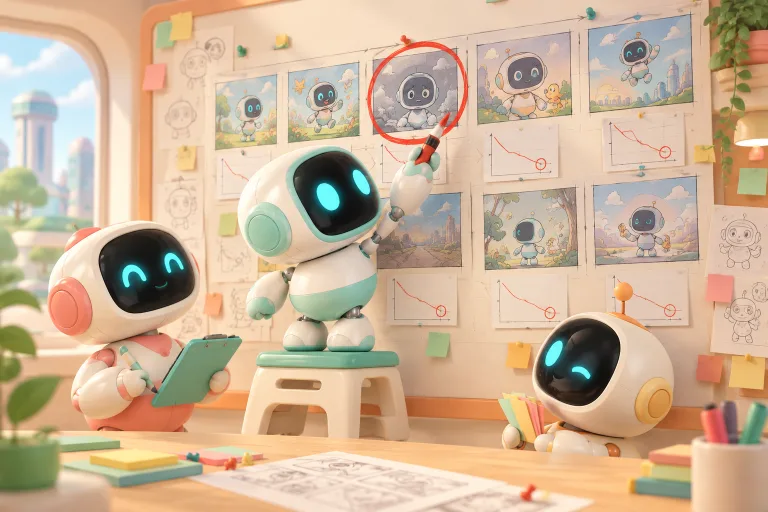
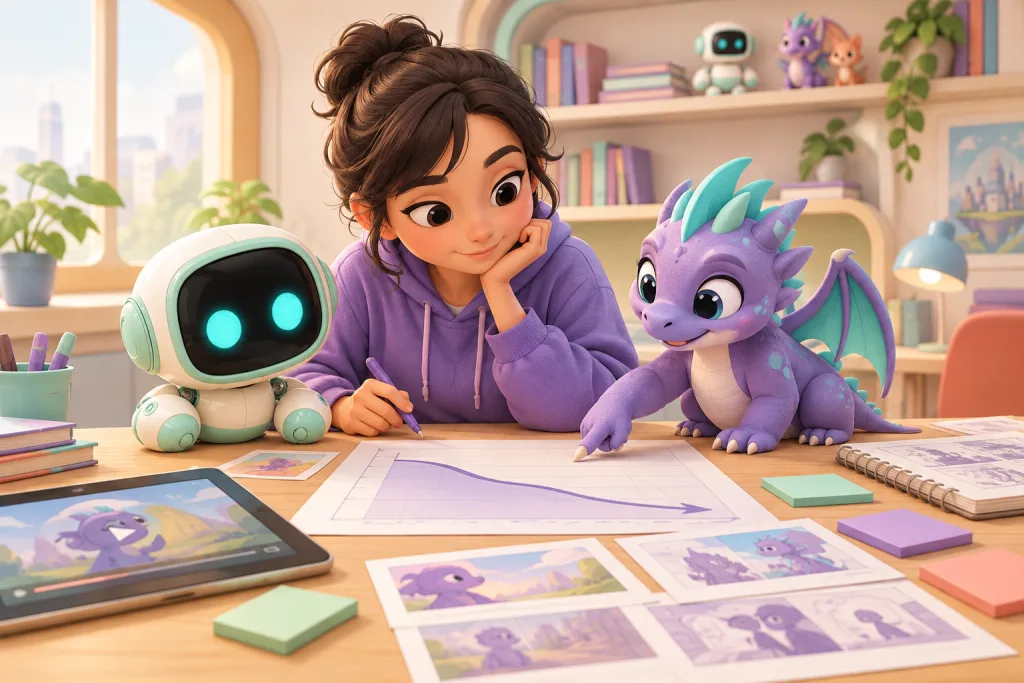
Plot a daily graph of CTR and cost per install. When the curve steadily declines for 3–4 days in a row, it’s time to replace, not wait. One bad week isn’t a coincidence; it’s a trend.
How localization affects a creative’s lifecycle
The same creative fatigues at different speeds in different countries. In developing mobile markets with a high share of new users, creatives live longer—the audience refreshes faster. In mature markets with high competition for attention, fatigue sets in earlier.
Localized versions of a creative—not just translation, but adaptation of visual elements, voice actors, and cultural references—extend a campaign’s life. We’ve observed cases where a localized creative showed a 40–50% longer lifecycle compared to a dubbed original.
Mistakes that lead to premature creative replacement
Not every drop in metrics is fatigue. Seasonality, platform algorithm changes, and technical glitches can all temporarily worsen performance. Before changing a creative, check:
- Whether there were changes in targeting or bids.
- Whether the drop coincided with a weekend or holiday.
- Whether the platform updated its delivery rules.
- Whether an active competitor campaign started in the same segment.
Prematurely replacing a working creative is just as much of a mistake as delaying the replacement of an outdated one.
The role of a testing pipeline
Teams that scale user acquisition don’t wait for fatigue—they test constantly. Parallel testing of 3–5 creatives with different hooks, characters, and formats allows you to identify the next winner before the current one starts to decline. This doesn’t require a huge budget—even 10–15% of daily spend on testing new materials ensures a steady stream of fresh options.
Key principle: test one element at a time. Change the hook—leave everything else. Change the voiceover—don’t touch the editing. Otherwise, it’s impossible to understand what exactly worked.
Checklist: Signs it’s time to change your creative
- Average watch time drops for 3 days in a row with a stable impression volume
- Impression frequency exceeds 4 for a narrow audience or 6 for a broad one
- Swipe-away rate in the first 3 seconds increased by 20% or more
- CPM rises with unchanged bids and targeting
- CTR declines for 4 days in a row without external causes (seasonality, glitches)
- A new creative on the same audience shows noticeably better results
- The queue of ready replacement materials is empty
What to do after replacing
Replacing a creative isn’t the end of the work. After launching a new material, the first 48 hours provide key information. If the new creative doesn’t show improvement in the first two days, don’t rush to turn it off—algorithms need time to optimize. But if metrics don’t level out after 3–4 days, it’s a signal that the problem isn’t fatigue, but the creative itself or the audience.
Save data on outdated creatives. Analyzing what worked and for how long helps predict the lifecycle of future materials and plan the production pipeline more accurately.
FAQ
How many days does an average creative live in mobile ads?
For mobile entertainment and animated content, the typical lifespan is 7 to 21 days. Vertical short formats fatigue faster, sometimes in 4–5 days. Educational and informational creatives can work for up to a month.
What should I do if the new creative also performs poorly?
If the replacement didn’t help, the problem is likely not fatigue, but audience saturation. Try expanding your targeting, changing platforms, or testing a fundamentally different creative format.
Do I need to completely redo a creative when it fatigues?
Not always. Often it’s enough to change the first three seconds, replace the hook, or change the voiceover. A complete redo is necessary when all metrics drop simultaneously and variations don’t help.
How is impression frequency related to fatigue?
High frequency is a risk factor, but not a verdict. For narrow audiences, fatigue sets in at a frequency of 3–4, for broad ones—5–6. Evaluate frequency alongside other metrics, not in isolation.
Should I test multiple creatives at once?
Yes. Parallel testing of 3–5 variations with different hooks and formats allows you to identify the next winner before the current one fatigues. The testing budget is 10–15% of daily spend.